Why I Built Snapeen: A Solo Founder Story
The honest story behind Snapeen: a friend's wedding, a first version sold in person to wedding vendors, learning marketing as a developer with no mentor, and why the product will never require an app.

Quick Answer
Snapeen was built by one developer after watching guests at a friend's wedding take hundreds of photos the couple would never see. The first version launched in January 2025 and was sold in person to wedding vendors. Today anyone can create an event in minutes. The product deliberately has no app: guests who land straight in the browser upload, guests asked to install something mostly do not. Next up: business plans for venues, photographers and event planners.
I did not invent this idea
Let me start with the most honest sentence in this post: I did not invent guest photo sharing. Tools in this category existed before Snapeen and plenty of them exist today.
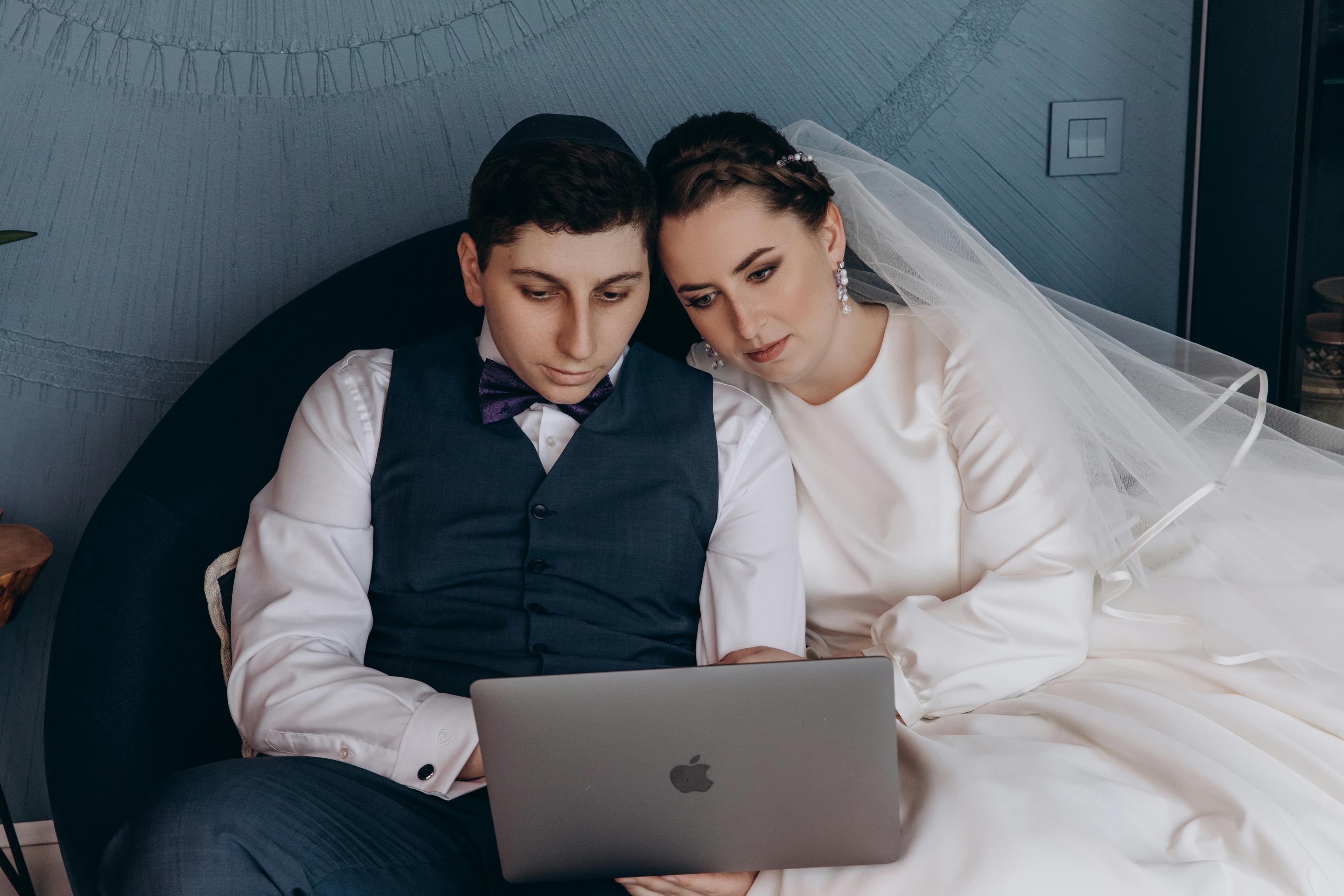
What actually happened is simpler. I was at a friend's wedding, and I spent half the night watching guests reach for their phones at every important moment. The first dance, the speeches, the cake, the chaos on the dance floor at 1 AM. Hundreds of photos were being taken all around me, and I realized two things at once. First, the couple would never see most of those photos. They would stay buried in camera rolls forever. Second, this was not a wedding problem. Every celebration has the same leak.
I went home convinced that a fix for this should exist at every event, and I decided to build my own vision of it. That vision became Snapeen.
January 2025: the first version was nothing like today
I wrote the first line of Snapeen code in January 2025. The first version was not something you could sign up for. It was built exclusively for wedding vendors, and I sold it the old way: in person. I went to vendors directly, showed them the gallery, and sold events and QR codes one by one, face to face.
Looking back, I am glad it started that way. When you sell something in person, you hear every objection immediately, with full honesty, from someone who has no reason to spare your feelings. Those conversations shaped the product more than any feature list I could have written alone.
Today, after a long stretch of work, the whole thing runs on its own. Anyone can open the site, create an event in a few minutes, and have a QR code ready to print. But it only got there because version one was sold by hand.
The first event that was not mine
Then came the first event I did not organize myself. I remember the feeling of watching uploads arrive in real time from people I had never met. It felt fantastic, because the app finally had a real purpose outside my own laptop.
And of course, things broke. For some guests the upload simply did not work, and the galleries did not load the way they should have. My best diagnosis was a difference in how Android and iOS handled the flow. I learned that night that a live event is the most brutal testing environment there is. You cannot ask a wedding to pause while you debug. Everything I ship now gets tested on real phones, on both platforms, because of that evening.
The part nobody warned me about
The launch itself was not the hard part. The hard part came right after.
I had built the thing, it was live, and then: silence. I did not know what the next step was or how to get Snapeen in front of anyone. I have a programming background, not a marketing one, and nobody tells you that shipping the product is only the halfway point.
Here is my honest context. I have never worked at a company. I never had a mentor, a senior colleague, or anyone to show me how things are done. Everything I know about SEO, marketing, customer support and talking to users, I had to learn alone, usually by making the mistake first and understanding it afterwards. Some of those mistakes cost real money. Every single day still brings something I have never done before. That is the true texture of building alone, and I would not trade it, but I will not pretend it is romantic either.
The first paid event
I remember exactly what went through my head when the first event was sold: this can scale.
By startup standards that is a tiny milestone. But it changes everything in your head. Up to that moment you are maintaining a project. From that moment you are running a product, because a stranger looked at the thing you made and decided it was worth their money.
Why there is no app (and why people argued with me about it)
More than one person tried to convince me to build a native app. The arguments were always the same: apps look more serious, apps are what real companies do.
They were missing the core of the idea. A guest at a party scans a QR code and lands directly in the gallery, inside the browser, in seconds. No App Store, no account, no permissions screen, no storage warning. Nothing to install and nothing to delete afterwards. For a guest holding a drink in one hand, that difference decides whether the photo gets shared or stays on their phone.
Our own galleries show the same pattern: guests who scan a code and land straight in the browser upload, guests who are asked to install something mostly do not. We do not yet measure participation as a share of invited guests (see what we did not measure in the Report), so we will not put a percentage on it. But the missing app is not a gap in the product. It is the product.
My honest take on photographers
Here is an opinion some people in the industry disagree with: photographers should love guest photos, not fear them.
A photographer, however good, cannot be everywhere at once. Guests catch the moments the professional physically cannot reach: the getting ready room, the joke at table seven, the moment two old friends see each other after years. When you put the professional gallery and the guest gallery together, you get the complete story of the day. That combination is stronger than either half alone, and I genuinely believe photographers who embrace it deliver a better final product to their clients.
Where Snapeen goes next
The next year is about opening Snapeen up to the people who run events for a living. Business plans for venues, photographers and event planners are on the roadmap, including monthly plans for professionals who host events all the time rather than once in a lifetime.
The goal does not change, though. One QR code, every guest's photos, zero friction.
What I would tell myself at the beginning
Keep going. Your work will pay off, just later than you would like.
If you are building something alone right now, that is the whole message. Shipping is the start, not the finish, and the days when you have no idea what the next step is are a normal part of the job, not a sign you should stop.
If you want to see what all of this became, the story continues at every event where someone prints a QR code and puts it on a table. That part costs nothing to try.
See also: Snapeen Wedding Photo Report 2026 · Wedding photography statistics 2026 · How to collect wedding photos from guests
Frequently Asked Questions
Snapeen is built and run by one person: Mihajlo Zivkovic, a developer who started the project in January 2025 after a friend's wedding. There is no team behind the curtain. The same person writes the code, answers support messages and runs the marketing.
By design. Guests scan a QR code and upload from the browser in seconds, with no install, no account and no permissions screens. Removing the app removes the biggest reason guests give up, and it is the single change that moves participation the most in our own galleries.
The first version, built in early 2025, was made exclusively for wedding vendors and sold in person, one event and one QR code at a time. The feedback from those face to face sales shaped the product into what it is now: a platform where anyone can create an event on their own in a few minutes.
Business plans for venues, photographers and event planners, including monthly plans for professionals who run events regularly. The core stays the same: one QR code per event, every guest's photos in one gallery, nothing to install.
Topics
Written by
Mihajlo Zivkovic
Helping couples and event planners capture every precious moment with modern QR code photo sharing technology.
Ready to collect your event photos?
Set up your QR code in 2 minutes. Guests scan and upload instantly — no app needed.